Supporting First Responders’ Mental Health: Breaking the Stigma

By: Stacy Hixon, MA, LPC-S, CCTP, FRTP


The first responder community is often overlooked when it comes to mental health, and many first responders are also among the last to ask for help. Although the conversation around mental health is slowly changing, we still have a long way to go, especially in Texas.

First responder culture has historically been shaped by toughness, emotional suppression, and the belief that people should simply “push through” whatever they experience. That mindset can be dangerous. When leaders such as sheriffs, police chiefs, battalion captains, supervisors, and upper command reinforce the idea that mental health struggles are weakness, that belief can spread throughout entire departments and prevent people from getting the help they need.

My husband has been in law enforcement for almost 20 years, and he also served as a military police officer. Over the years, we have seen officers complete suicide, struggle with addiction, experience family violence, and live with depression, anxiety, and post-traumatic stress disorder without receiving adequate support. Thankfully, my husband also holds a master’s degree in counseling, and as a lieutenant, he frequently educates his officers about mental health and connects them with department resources.

I have worked with many first responders throughout the years, and I have seen the weight they carry. Many are dealing with post-traumatic stress disorder, job stress, long shifts, 50 to 70 plus hour workweeks, limited sleep, lack of community support, lack of upper command support, moral injury, and more. The experiences many first responders endure are similar to what we often see in combat veterans.

I have reached out to one specific agency multiple times in an effort to encourage stronger mental health support for their officers. Unfortunately, the person overseeing that agency has shown little interest in prioritizing the mental health of the people under his command. If agencies are unwilling to engage in this work, then I will continue working to reach individuals directly. I currently work with Copline and Peer Connect, and I am in the process of connecting with other organizations and other providers that support first responder mental health.

The United States government has created grant programs for first responder agencies to develop mental health resources for their employees. However, what I often see is that funding goes toward programs that do not fully address the real issues these individuals face.

Many agencies rely heavily on EAP services and peer support programs. While these resources can be helpful, a few EAP sessions and peer support alone are often not enough to address years of accumulated trauma, stress, and post-traumatic symptoms. Peer support is valuable, but it should not be the only option.

I am committed to continuing this work by supporting peer support programs both inside and outside of agencies, while also offering mental health resources outside of agency systems. Many first responders do not fully trust their command staff because they have not felt supported, and in some cases, they have felt betrayed. That lack of trust can become a major barrier to seeking help.

At LifeWise Counseling and Wellness, LLC, we offer individual counseling for first responders and their families. We also offer a mental health resilience program called Steel Armor Mindset, designed to support first responders in strengthening emotional resilience, understanding stress responses, and addressing the psychological impact of the work they do.

We want to bring greater awareness to the mental health needs of first responders and help eliminate the stigma surrounding mental health care. I am proud of the officers, firefighters, dispatchers, EMTs, paramedics, and other first responders who seek support and treatment for the experiences they carry, both inside and outside of the job.

I also understand the fear many first responders have that seeking mental health care could be used against them within their agency. I have seen that happen, and it is one of the reasons this conversation matters so much.

Mental health care should not be treated as weakness. It should be treated as part of the career, leadership, family preservation, and long-term wellness.

Let’s stop the stigma!

Copyright © 2026 LifeWise Counseling and Wellness, LLC. All rights reserved.

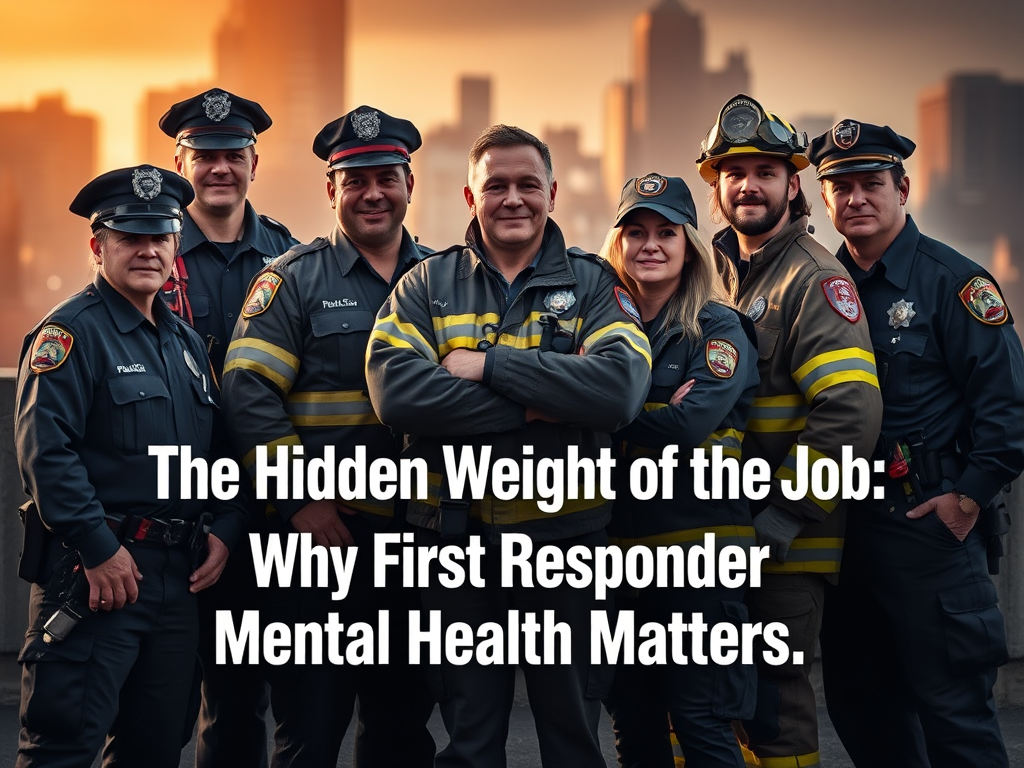
The Hidden Weight of the Job: Why First Responder Mental Health Matters

By Stacy Hixon, MA, LPC-S, CCTP


LifeWise Connection to First Responder and Military Veteran Community

LifeWise Counseling and Wellness, LLC has a strong connection to the first responder and military veteran communities, both professionally and personally. Our work is informed by real world experience, including Lynn‘s career in law enforcement and his service as a United States Navy veteran. This perspective allows us to understand the unique demands, culture, and stressors that come with these professions. In addition to providing trauma informed counseling, we developed Steel Armor Mindset in partnership with the Blue Rose Project to support resilience and mental health in high stress environments. LifeWise is also part of the Peer Connect community, expanding access to services for first responders and their families. Our goal is to provide practical, culturally competent care that meets the needs of those who serve.


First responders are trained to handle crisis, make fast decisions, and stay composed under pressure. What is less talked about is the cumulative toll that role takes over time.

Behind the uniform, there is repeated exposure to trauma, chronic stress, and an expectation to keep going no matter what.

The Reality Most People Do Not See

First responder personnel are regularly exposed to situations that most people will never encounter. Critical incidents, violence, human suffering, long hours, and high pressure decision making are not occasional events, they are part of the job. This cumulative exposure builds over time.

Research shows that first responders experience higher rates of depression, anxiety, substance use, and suicidal ideation compared to the general population . This is not a reflection of weakness. It is the result of repeated exposure to high stress and traumatic environments.

It Is Not Just the Calls

There are two types of stress that impact first responders:

  • Operational stress
    Exposure to trauma, critical incidents, and danger
  • Organizational stress
    Shift work, overtime, staffing shortages, administrative pressure

Both types of stress matter, both accumulate and Both impact the mental health of our responders and their families.

In some years, more officers die by suicide than in the line of duty. One of the biggest barriers to getting help is stigma. Many first responders are trained to push through, compartmentalize, and avoid showing vulnerability.

The Impact Does Not Stay at Work

The effects of the job do not clock out when the shift ends.

Chronic stress and trauma exposure often show up in:

  • Relationships
  • Sleep patterns
  • Irritability or emotional numbing
  • Difficulty disconnecting from work
  • Increased isolation

Family systems are often impacted as well. The emotional weight carried at work can strain communication, connection, and overall wellbeing at home .

What Actually Helps

There is no single solution, but research and experience point to several key supports that make a real difference:

1. Peer Support

Talking to someone who understands the job matters. Peer support programs create space for honest conversations without fear of judgment.

2. Counseling

Working with a clinician who understands trauma and first responder culture can help process experiences before they accumulate into something heavier.

3. Resilience Training

Skills like emotional regulation, stress management, and mental flexibility are not just helpful, they are necessary for long term sustainability in the field.

Programs that combine these approaches have been shown to improve mental health outcomes and reduce burnout over time .

A Different Way to Look at Strength

Strength in this field has traditionally meant pushing through.

But real strength is knowing when something is taking a toll and choosing to address it before it becomes unmanageable.

You can be effective at your job and still be impacted by what you see and experience. Both can be true.

Final Thoughts

You are not supposed to carry everything alone. Mental health support is not about changing who you are. It is about helping you stay grounded, connected, and able to continue doing the work without losing yourself in the process.

© 2026 LifeWise Counseling and Wellness, LLC. All rights reserved. lifewisetx.com