By: Stacy Hixon, MA, LPC-S, CCTP, FRTP
When you see a therapist, you are working with a professional who has a specific style, clinical background, and

approach to treatment. A therapist’s education, training, professional experience, and lived experience can all influence the way they show up in the therapy room. Therapeutic approaches may also evolve over time, which is a normal part of professional growth.
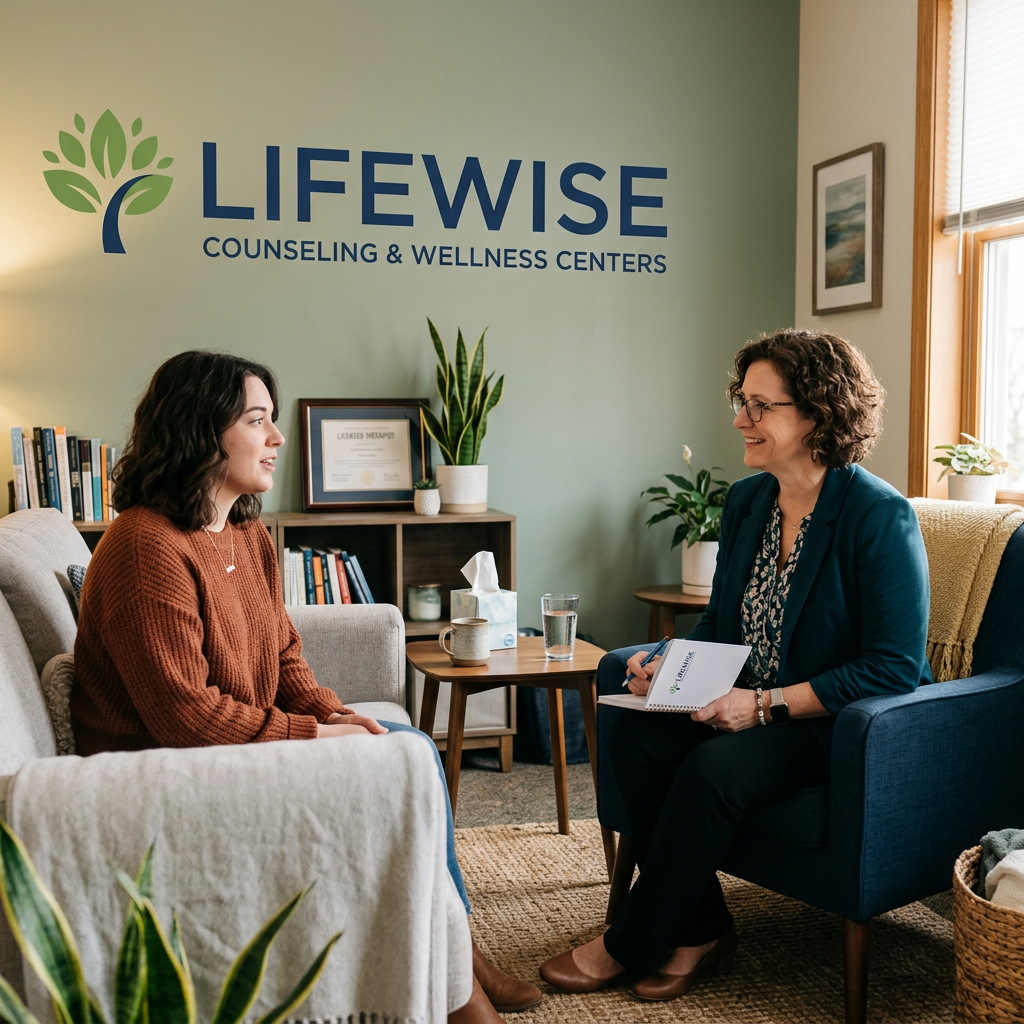
At LifeWise Counseling and Wellness, LLC, we use a trauma-informed approach. We want to ensure our clients feel completely at ease when interacting with us. We are professionals, but we are also people who have experienced our own hardships, growth, and healing. We believe therapy works best when clients feel safe, respected, and understood. We will laugh with you, speak in language that feels comfortable and human, and avoid pathologizing your story. You are not a diagnosis or a problem to be fixed. You are a person with experiences, patterns, pain, strengths, and goals.
Trauma-Informed Approach
A trauma-informed approach means recognizing that a person’s behaviors, emotions, coping patterns, and reactions may be shaped by past or ongoing trauma. Instead of asking, “What is wrong with you?” it considers, “What happened to you, and how did you learn to survive it?” This approach focuses on safety, trust, choice, collaboration, empowerment, and emotional regulation while reducing shame, stigma, and re-traumatization. It does not excuse harmful behavior, but it helps us understand the nervous system and survival responses behind it so healing, accountability, and meaningful support can happen.
Research consistently shows that one of the most important factors in successful therapy is the relationship between the client and therapist. The fit has to feel right for both the client and the provider. At LifeWise, we do not believe every therapist is the right fit for every client, and that is okay. We consider personality dynamics, scope of practice, clinical needs, and the client’s desired outcome for therapy. If one of our providers is not the best fit for you, we will try to help you find someone who is. Our priority is that each client receives the care they need from the provider who is best suited to help them.
Consultation
We begin with a 15-minute complimentary consultation to determine whether we may be a good fit. During the consultation, we discuss your presenting concerns, desired outcomes for therapy, financial options, insurance or private pay details, administrative expectations, consent forms, cancellation policy, and no-show policy. If we determine that moving forward makes sense, we will schedule the full intake session.
Intake Session
During the 55-minute intake session, we further clarify your presenting concerns and desired outcome for therapy. We explain the LifeWise treatment process and begin building rapport through the initial clinical interview. We also discuss recommended session frequency and provide assessment links within 24 hours after the intake session.
Measurements and Assessments
The measurement and assessment portion of our treatment process helps us better understand your symptoms, history, patterns, strengths, and areas of concern. Assessments provide helpful clinical information, while ongoing measurements allow us to track progress over time, adjust treatment when needed, and make sure therapy remains focused, intentional, and aligned with your goals.
Goal Planning and Treatment Collaboration
During the goal planning and treatment collaboration session, we finalize treatment recommendations and clinical targets. We also work together to determine homework frequency, goal tracking format, reassessment schedule, and the main areas of focus for treatment.
Goal Tracking
During ongoing sessions, we track active goals and monitor progress using a structured format. This may include reviewing barriers, interventions used, client report, observable change, emotional patterns, coping skills, and areas that may need additional support.
Reassessment
At 30, 60, or 90 days, depending on what the provider and client agree is clinically appropriate, we review treatment goals, progress, session frequency, and overall treatment focus. This allows us to refine the treatment plan based on what is working, what needs adjustment, and what clinical progress has been made.
Goal Achievement and Termination
When treatment goals have been met, we review clinical gains, coping strategies, maintenance plans, and continued areas of growth. Together, we complete termination planning when goals have been achieved or when care is no longer clinically indicated.
If at any point during the therapeutic process the client or provider determines that a referral is appropriate, we will discuss that openly and provide referral options when possible. Our primary goal is for clients to receive the care they need, even if that means another provider or service would be a better fit.
Copyright © 2026 LifeWise Counseling and Wellness, LLC. All rights reserved.
Leave a Reply